
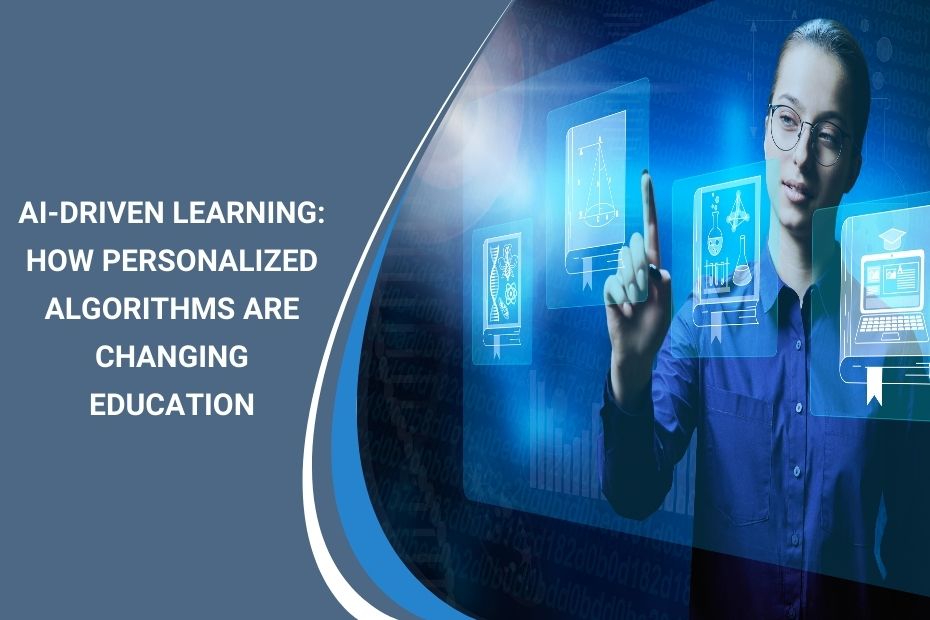
Education has always been the cornerstone of progress, yet the one-size-fits-all approach that has dominated for decades is far from ideal. Artificial Intelligence (AI) is stepping in to bridge the gaps in traditional systems, offering a personalized learning experience tailored to individual needs. With AI-driven learning, algorithms analyze student behaviors, preferences, and performance to adapt content, pacing, and assessments. As someone who has closely followed advancements in AI and education, I believe this transformation is reshaping how we think about teaching and learning.
What is AI-Driven Personalized Learning?
AI-driven personalized learning is an educational approach where technology uses data to customize teaching strategies and materials for each student. Unlike traditional methods, where a teacher delivers the same lesson to an entire class, AI personalizes the experience, adjusting to the needs, pace, and strengths of every learner.
By analyzing factors such as test scores, time spent on tasks, and even the way questions are answered, AI systems determine the most effective way to teach a concept. For instance, if a student struggles with fractions, the AI might suggest additional practice problems or a video tutorial. This dynamic adjustment ensures that students are neither overwhelmed nor under-challenged, keeping them engaged and motivated.
The Role of Adaptive Learning Paths
One of the most exciting applications of AI in education is adaptive learning. This technology creates individualized learning paths based on real-time data. For example, if a student excels in geometry but struggles with algebra, the AI will adjust to focus more on algebra concepts while offering advanced geometry challenges.
This adaptability also benefits students who learn at different paces. Traditional classrooms often cater to the average student, leaving advanced learners bored and struggling students frustrated. Adaptive learning paths ensure that every student gets the support and challenge they need, making education more inclusive and effective.
Intelligent Tutoring Systems: A Virtual Mentor
Intelligent Tutoring Systems (ITS) simulate the experience of having a one-on-one tutor. These systems use AI to provide personalized feedback, hints, and explanations in real-time. Platforms like Carnegie Learning and Khan Academy have integrated ITS to adapt lessons and assessments based on individual performance.
For example, if a student struggles with a math problem, the ITS might break it down into smaller steps, offering hints along the way. If the student continues to struggle, the system can recommend alternative methods or related foundational topics. This kind of personalized guidance helps students build confidence and understanding without the fear of judgment.
Engaging Students Through Personalization
One of the biggest challenges in education is keeping students engaged. AI-driven learning addresses this by catering to diverse learning preferences. Some students thrive with visual aids, while others prefer hands-on activities or detailed explanations. AI systems present content in multiple formats—videos, interactive simulations, or written text—tailored to the learner’s preferences.
For instance, a student learning about the solar system might explore it through an interactive 3D model, while another might watch an engaging documentary. By aligning content delivery with individual interests and learning styles, AI ensures that students remain invested in their education.
Real-Time Feedback: Closing the Loop
Immediate feedback is crucial for effective learning, and AI excels in this area. Traditional assessments often leave students waiting days or weeks for results, delaying their ability to learn from mistakes. AI systems, on the other hand, provide instant feedback on assignments, quizzes, and even open-ended questions.
For example, when a student completes a writing assignment, AI tools like Grammarly or Turnitin can analyze grammar, structure, and originality, offering suggestions for improvement. This real-time feedback helps students refine their work and reinforces learning by addressing errors when they’re still fresh in the mind.
Empowering Educators with AI
While some fear that AI could replace teachers, the reality is quite the opposite. AI is a tool that empowers educators, freeing them from routine tasks like grading and attendance tracking so they can focus on teaching and mentoring.
AI also provides valuable insights into student performance. Teachers can access detailed analytics that highlight which students need additional help and which are excelling. This data-driven approach enables teachers to create customized lesson plans and interventions, making their time in the classroom more impactful.
For instance, a teacher might use AI to identify students who are struggling with reading comprehension and group them for targeted instruction. At the same time, advanced readers could be given more challenging materials, ensuring that every student is appropriately supported.
Challenges and Considerations
Despite its promise, AI-driven learning is not without challenges. One significant concern is data privacy. AI systems rely on collecting and analyzing student data, raising questions about how this information is stored and used. Schools and developers must prioritize robust data protection measures to ensure student privacy.
Another challenge is accessibility. Implementing AI-driven solutions requires substantial investments in infrastructure, such as devices and internet connectivity. In underfunded schools or remote areas, this can create a digital divide, leaving some students without access to these advanced tools.
Finally, there’s the issue of training. Teachers need to be equipped with the skills to integrate AI effectively into their classrooms. Professional development programs that focus on AI tools and strategies are essential to ensure that educators can maximize the potential of these technologies.
The Future of AI in Education
The future of AI-driven learning is incredibly promising. As technology advances, AI systems will become even more sophisticated, offering deeper personalization and more engaging experiences. Imagine a classroom where an AI assistant collaborates with the teacher to identify gaps in knowledge and suggests tailored interventions in real time.
AI could also play a significant role in lifelong learning. With the rise of remote work and rapidly changing industries, continuous education is becoming a necessity. AI-driven platforms can provide personalized learning experiences for adults, helping them acquire new skills and adapt to evolving job markets.
How AI is Changing Education
- Personalizes learning paths for individual needs.
- Provides real-time feedback for faster improvement.
- Offers one-on-one support through intelligent tutoring systems.
- Enhances engagement with diverse content formats.
- Empowers teachers by automating routine tasks.
In Conclusion
AI-driven learning is revolutionizing education by breaking away from the limitations of traditional methods. By personalizing content, offering real-time feedback, and supporting educators, AI is creating a more inclusive and effective learning environment. While challenges like data privacy and accessibility remain, the potential benefits far outweigh the hurdles. As we continue to refine and expand AI applications in education, the future looks bright for students, teachers, and lifelong learners alike.