
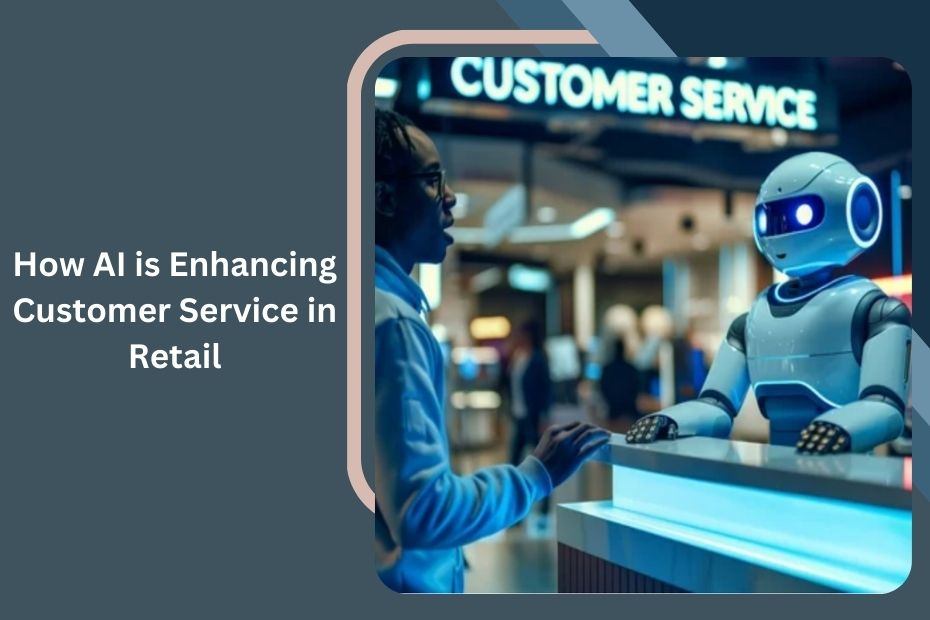
Over the past few years, I’ve seen the retail industry undergo rapid transformation. Much of this change can be credited to artificial intelligence (AI), which has fundamentally reshaped how businesses interact with their customers. For retailers, AI isn’t just a convenience—it’s becoming a necessity. From automating routine processes to offering hyper-personalized experiences, AI is helping companies meet rising customer expectations while boosting efficiency. Let’s dive into the key ways AI is enhancing customer service in retail and how entrepreneurs can leverage these innovations for better results.
Creating Personalized Shopping Experiences
One of the most impressive applications of AI in retail is personalization. Shoppers today expect more than a generic experience—they want tailored recommendations that match their preferences. This is where AI-driven systems excel. By analyzing a customer’s browsing history, purchase patterns, and even demographic data, AI can offer personalized product suggestions.
Retailers like Amazon have set a high bar by mastering the art of personalized recommendations, but smaller businesses can also benefit by adopting similar technologies. In my experience, personalization increases conversion rates and enhances customer loyalty. When customers feel understood, they’re more likely to return and recommend the store to others.
AI-Powered Chatbots for Instant Support
Gone are the days when customers were willing to wait hours—or even days—for a response to their queries. Today, instant support is expected, and AI-powered chatbots are making it possible. These chatbots are available 24/7, handling everything from basic inquiries to complex issues.
What makes AI-driven chatbots so effective is their ability to learn and improve over time. By using natural language processing (NLP), they can understand a wide range of questions and provide accurate answers. I’ve seen many retailers benefit from this technology by reducing the workload on human customer support teams, allowing them to focus on more high-value interactions. Chatbots don’t just save time—they improve the overall customer experience by providing immediate assistance.
Streamlining In-Store Experiences
While AI is often associated with online shopping, its impact on physical stores is equally significant. Retailers are increasingly adopting AI-powered solutions to improve the in-store experience. One example is the use of smart kiosks equipped with virtual assistants. These kiosks can answer customer questions, suggest products, and even help with inventory searches.
Another exciting development is the use of computer vision technology for checkout-free stores. Imagine walking into a store, picking up what you need, and walking out—without waiting in line. AI tracks what you’ve taken and processes the payment automatically. This level of convenience can transform the way people shop in physical stores.
Proactive Customer Engagement
A reactive approach to customer service is no longer sufficient in today’s competitive environment. Retailers need to anticipate customer needs and engage proactively. AI makes this possible by analyzing customer behavior in real time.
For example, if a customer frequently browses certain categories without making a purchase, an AI system can trigger a personalized offer or recommendation to encourage them to complete the transaction. This kind of proactive engagement improves sales and enhances the customer’s perception of the brand. In my experience, customers appreciate when businesses take the initiative to make their shopping experience smoother.
Efficient Inventory Management for Better Service
Inventory management is a perennial challenge for retailers. Running out of popular products leads to frustrated customers, while overstocking ties up capital and storage space. AI-driven inventory management systems can predict demand with remarkable accuracy by analyzing historical sales data, market trends, and even weather patterns.
By keeping stock levels optimized, retailers can ensure they always have what customers want, when they want it. I’ve worked with businesses that have seen significant improvements in customer satisfaction simply by adopting smarter inventory practices powered by AI.
Speeding Up the Checkout Process
No one enjoys waiting in long lines, and slow checkout processes can deter repeat customers. AI is helping retailers speed up the checkout experience in several ways. Self-checkout kiosks powered by AI can scan items faster and even detect errors more efficiently than traditional systems.
Additionally, some retailers are experimenting with mobile-based checkout systems that allow customers to scan items with their smartphones and pay directly through an app. This reduces friction in the buying process and makes shopping more enjoyable. Streamlining the checkout process is one of the simplest yet most effective ways to improve customer service.
Analyzing Customer Feedback at Scale
Customer feedback is a goldmine of information for any retailer, but analyzing large volumes of feedback manually is time-consuming. AI can help by automatically categorizing and analyzing feedback from various sources, including surveys, social media, and online reviews.
By identifying common themes and sentiment, AI systems can provide actionable insights that help retailers improve their products and services. For instance, if multiple customers mention issues with a specific product, the retailer can address the problem promptly, preventing further dissatisfaction. This kind of real-time feedback analysis is invaluable for maintaining high levels of customer satisfaction.
Enhancing Post-Purchase Support
Customer service doesn’t end when a sale is made. Post-purchase support is crucial for building long-term relationships, and AI plays a key role here as well. Automated systems can handle order tracking, returns, and exchanges with minimal human intervention.
For example, AI-powered return portals allow customers to initiate returns seamlessly without needing to contact support. By simplifying post-purchase processes, retailers can improve customer retention and reduce the likelihood of negative reviews.
Key Ways AI Enhances Retail Customer Service
- Personalized product recommendations
- AI-powered chatbots for instant support
- Improved in-store experiences with smart kiosks
- Proactive customer engagement through real-time insights
- Efficient inventory management to prevent stock issues
- Faster checkout with automated and mobile systems
- Automated analysis of customer feedback
In Conclusion
AI is rapidly becoming a cornerstone of customer service in retail. Whether it’s personalizing the shopping experience, providing instant support, or streamlining operations, AI-driven solutions are helping retailers deliver better service at scale. Businesses that invest in AI improve customer satisfaction and gain a competitive edge in a crowded marketplace. The key to leveraging AI effectively is to focus on the customer—every AI solution should aim to reduce friction, offer tailored experiences, and provide timely support. As AI technology continues to evolve, it will unlock even more opportunities for retailers to enhance interactions, build loyalty, and drive long-term growth. For entrepreneurs and established businesses alike, embracing AI now is a strategic move to future-proof their customer service strategies.